CZ
CZ  EN
EN 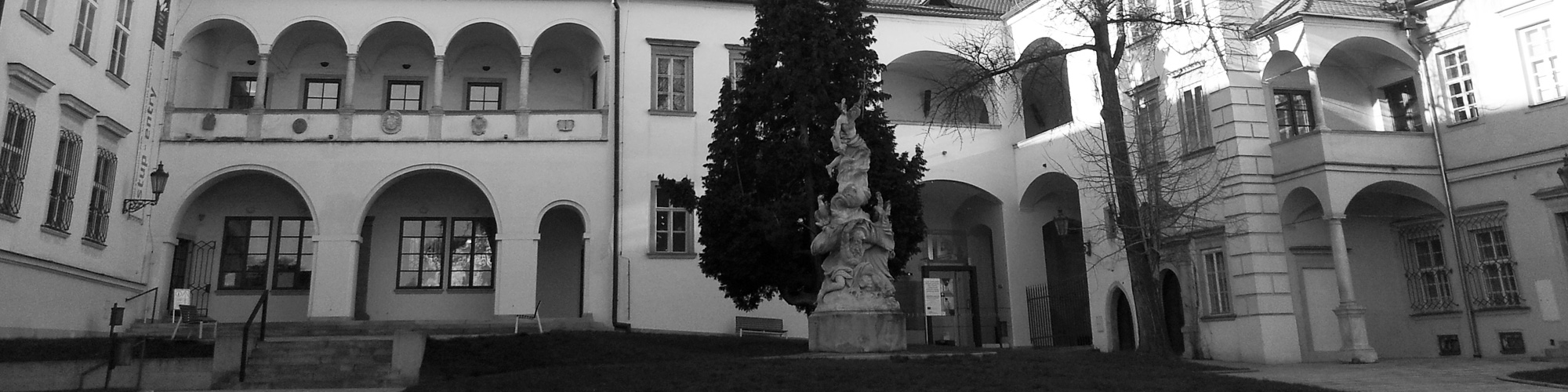
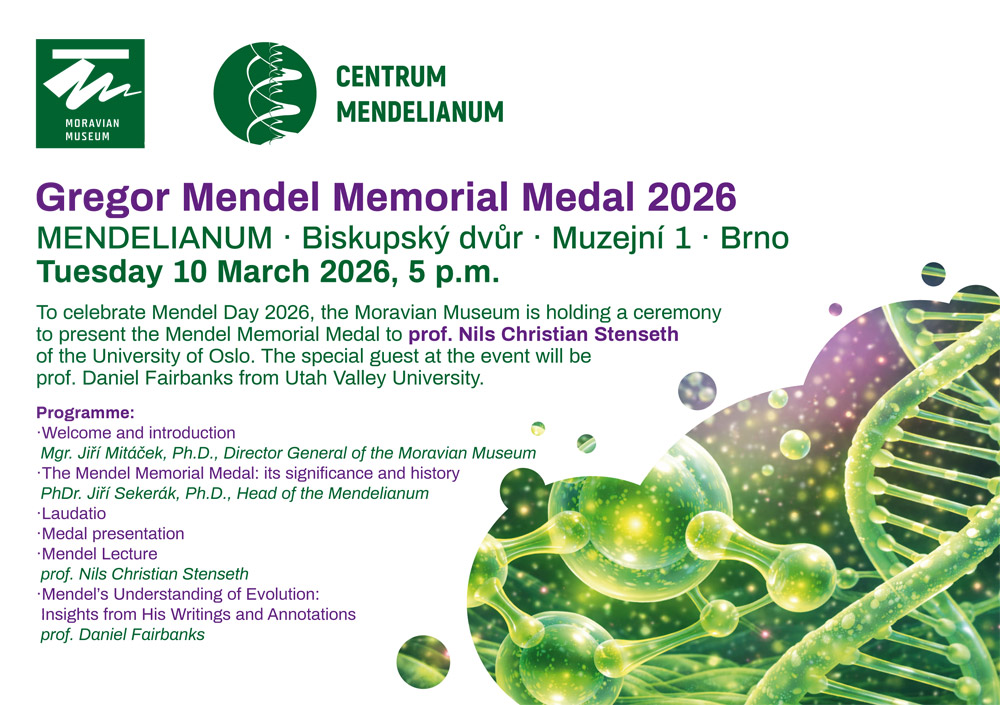
will award the 2026 Mendel Memorial Medal
to
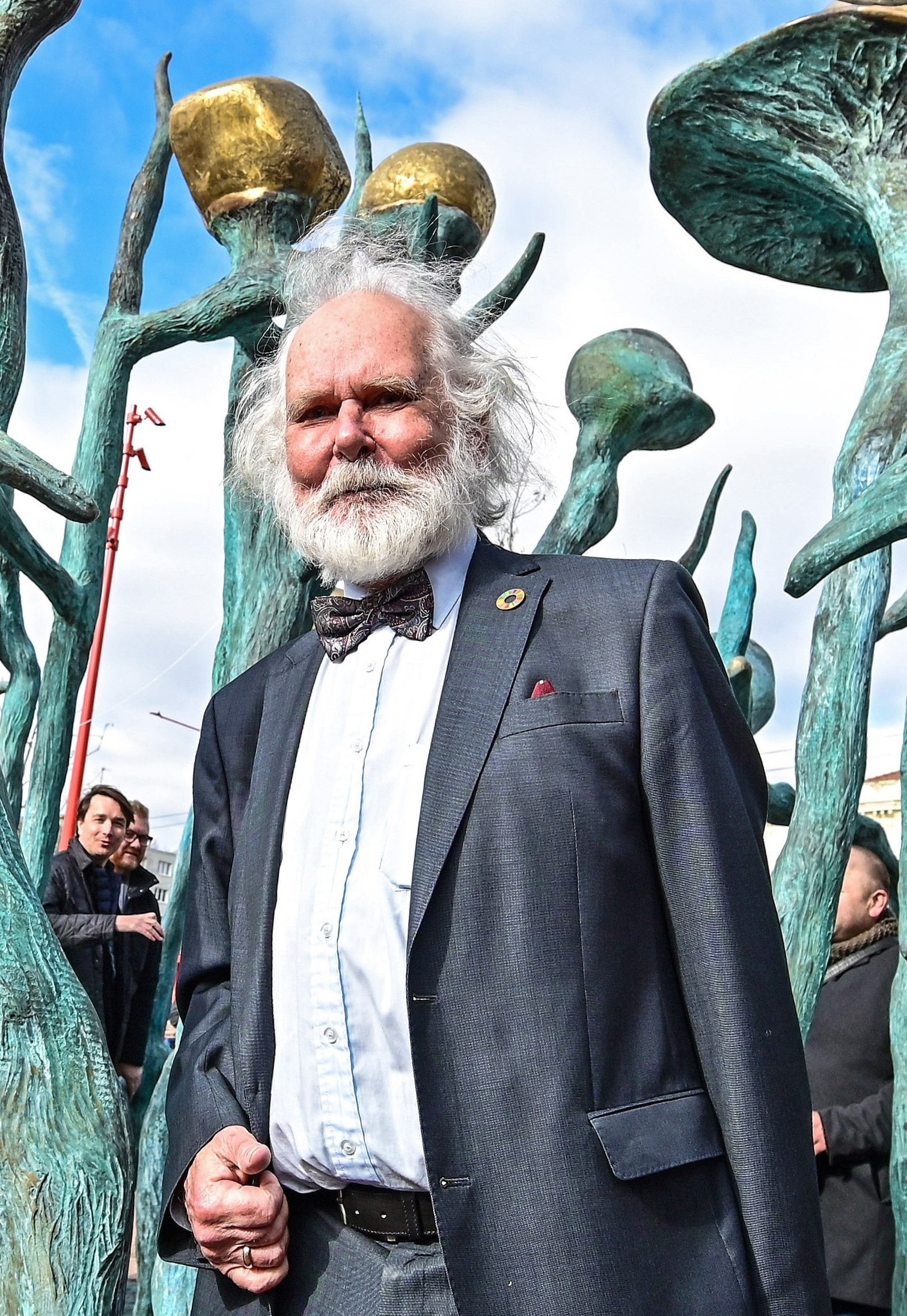 Nils Christian Stenseth for his contribution to the study and promotion of Mendel’s legacy and its significance in modern evolutionary biology.
The medal, which is awarded annually, recognizes significant contributions to the advancement of Mendel’s scientific and cultural legacy.
Nils Christian Stenseth (born 1949) has the following two academic roles:
- Professor of Ecology and Evolution and Advisor to the Dean of Mathematics and Natural Sciences at the University of Oslo in Oslo, Norway.
- Honorary Professor of Public Health at the Vanke School of Public Health, Tsinghua University, Beijing, China.
He was also the vice-president/president of the Norwegian Academy of Science and Letters (2009 to 2014). He is a visiting scholar for the Chinese Academy of Sciences, a member of the Royal Norwegian Society of Sciences and Letters, the French Academy of Sciences and the Academia Europaea. He has also been awarded an honorary degree by the University of Antwerp.
Mendel Memorial Medal Ceremony
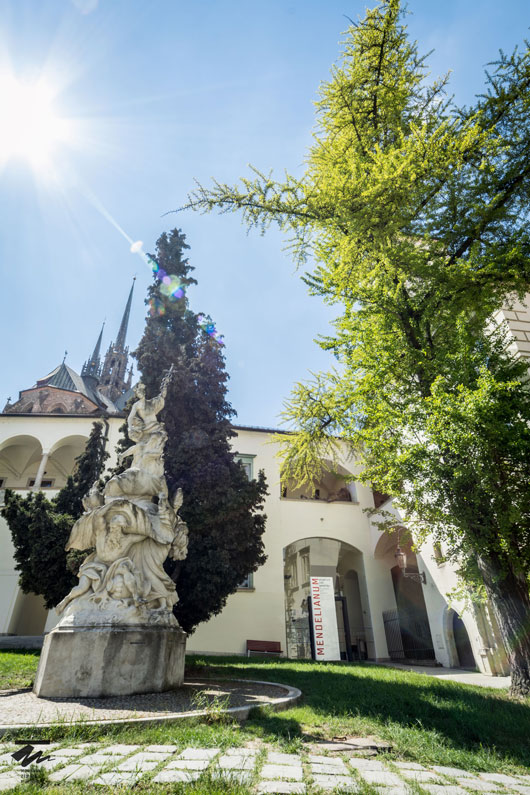
10th March 2026 at the Mendelianum, the Moravian Museum
Here is a selection of some of his publications on Mendel:
Stenseth, N. C., Andersson, L. & Hoekstra, H. E. (2022). Gregor Johann Mendel and the development of modern evolutionary biology. Proceedings of the National Academy of Sciences of the United States of America. 119(30): 10.1073/pnas.2201327119
Stenseth, N. C. (2022). Gregor Mendel Ought to be Brought out of the Shadow of Charles Darwin: Together They Are the Lock and Key in Evolutionary Biology. Folia Mendeliana 58/2, Supplementum ad Acta Musei Moraviae, CVII, pp. 7-10. ISSN 0085–0748
Hessen, D. O., Lie, T., Stenseth, N. C. (Eds.). (2015). Mendels arv – Genetikkens æra. Gyldendal Norsk Forlag A/S. 440 p. ISBN:978-82-05-45818-5.
Stenseth, N. C. (2023). May the Mendel Monument in Brno Help Gregor Johann Mendel to Come out of the Shadow of Charles Darwin. Folia Mendeliana 59/1, Supplementum ad Acta Musei Moraviae, CVIII, pp. 65-66. ISSN 0085–0748
The Mendel Memorial Medal is a unique annual award given to an internationally recognized figure for his or her contribution to the scientific and cultural legacy of Gregor Mendel and genetics. Past recipients of this award have included Nobel prize winners, outstanding researchers, pioneers in genetics, molecular biology, and the history of biology and genetics, as well as other eminent scientists. Last year saw the thirtieth anniversary of the start of the award. Its origin, however, goes back much deeper and is firmly linked to the tradition of developing Mendel’s scientific legacy at the Mendelianum of the Moravian Museum in Brno.
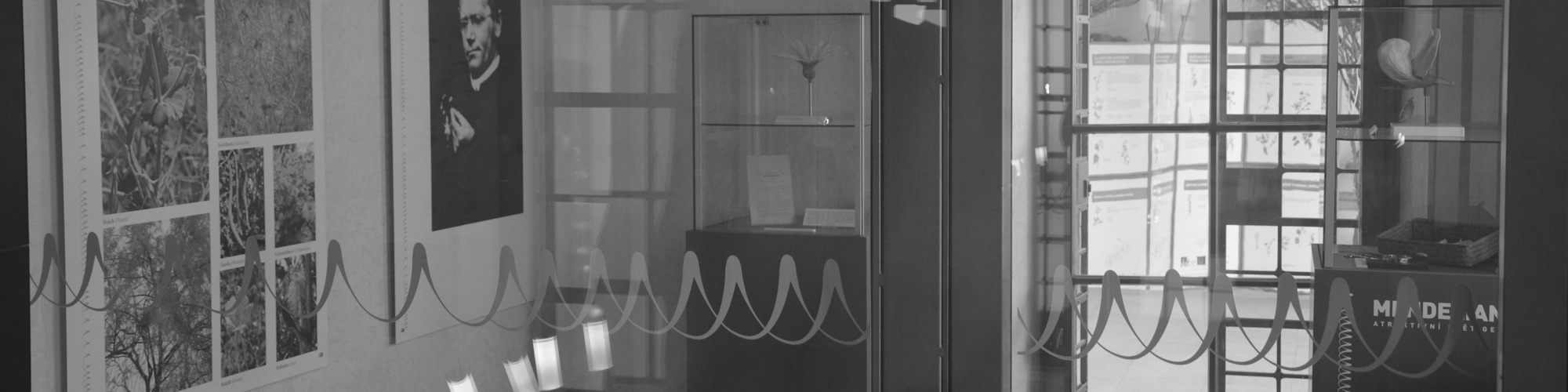
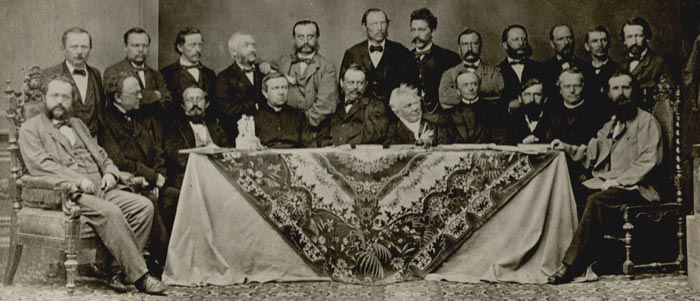 J. G. Mendel - scientist and a multifaceted personality.
 Introductive section: From the genetic program to its implementation.
 Scientific milieu of Mendel´s discovery: A trip to Mendel´s epoch.
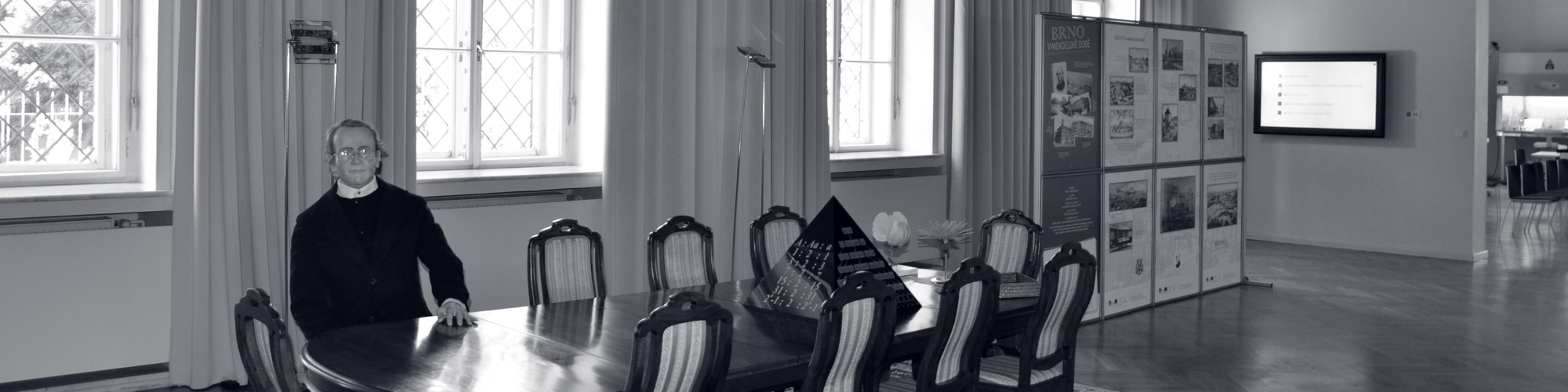
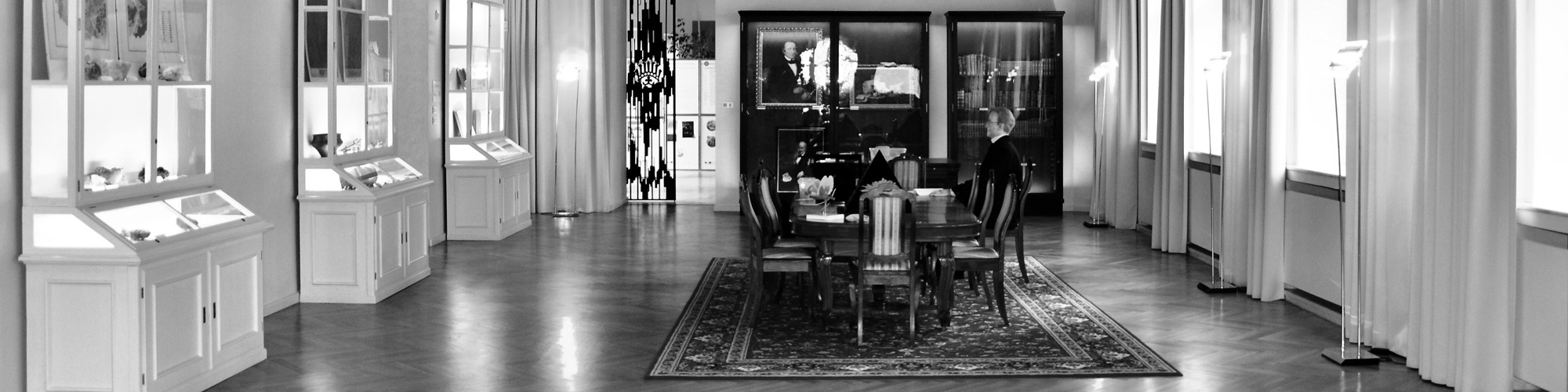
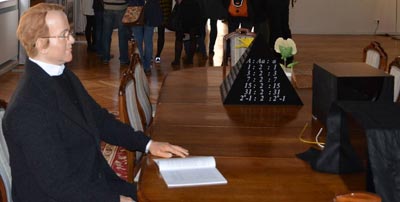
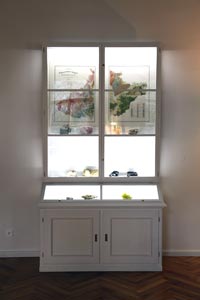 Conference Hall: the place where Mendel was meeting his scientific colleagues and gathered motivation for his experiments.
 Mendel's laboratory: disclosure what Mendel knew and what he could not know.
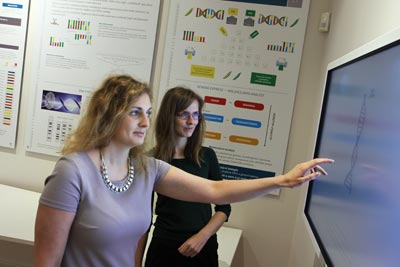 Molecular-biological laboratory: The desire to explore and discover.
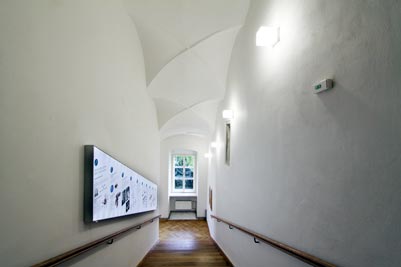 Genetic stories on the background of Nobel Prizes: Mendel in the concept of today's science
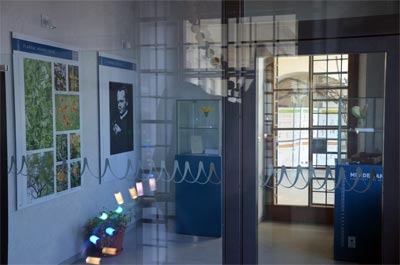 Mendel´s plants: Mendel's verification of his discoveries.
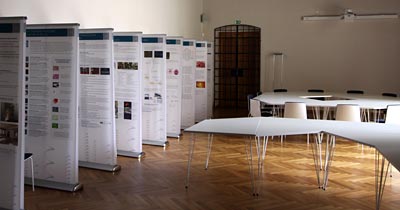 Historic hall and modern science: A counterpoint of old and new.
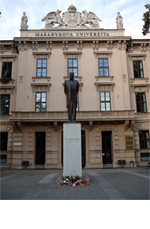 The building of the former Technical College where the meetings of the Nature Research Society were held over which Mendel often presided in his position of society´s vice-chairman (Komenského náměstí 2).
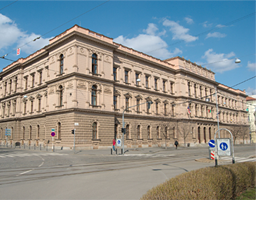 The building of the former Moravian Diet where the premises of the Mortgage Bank were situated from 1878. Mendel was working there as
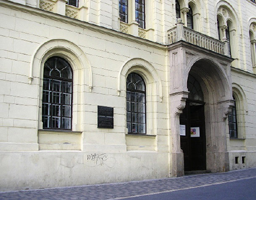 The building of the Modern High School in Brno where Mendel lectured physics and natural science 1854-1868 and published his discovery in 1865 in the Nature Research Society meetings (Jánská 22).
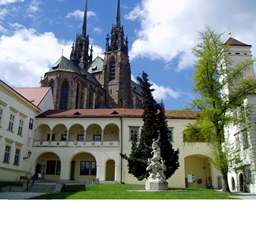 The Bishop Court became the Moravian Museum and the seat of the AgriCulture Association with its many scientific sections in 1817. Mendel profited most from the gardening section. The experiments performed to achieve new colour varieties of ornamental plants initiated his experiments with peas (Muzejní 1).
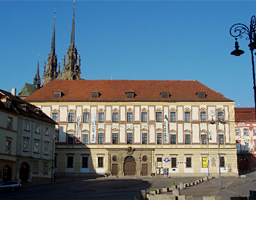 The Dietrichstein Palace of the Moravian Museum with its memorial hall showing plaques of the chief figures of the AgriCulture Association as founders of the Moravian Museum (Zelný trh 1).
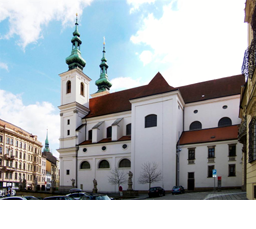 The Institute of Theology at the Dominican Monastery where Mendel studied 1844-1848. In St Michael church he was ordained priest on August 15, 1847 and celebrated his first mass (Dominikánské náměstí).
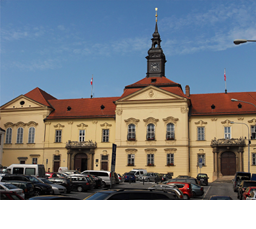 The New Town Hall as a centre of cultural events and presentations of the AgriCulture Association activities in which Mendel took part as a member of its Central Board (Dominikánské náměstí).
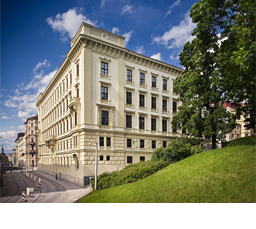 The Urban Centre where the office and the library of the Nature Research Society were housed after 1870 (Šilingrovo náměstí).
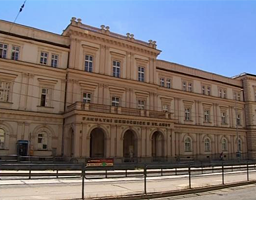 St. Ann Hospital where Mendel proved unsuccessful in his pastoral service but achieved the support of the hospital director in ornamental plant breeding and meteorology (Pekařská 53/55).
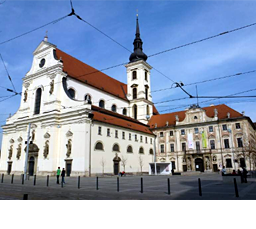 The original seat of the Augustinian Order St. Thomas to 1782 (Moravské náměstí).
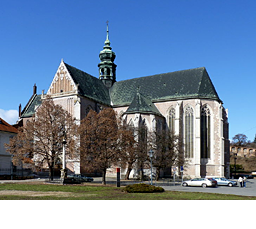 The former Cistercian Nunnary, since 1783 the seat of the Augustinian Order. Mendel lived there 1843-1884. The Basilica of the Assumption of the Virgin and the adjoining prelate quarters of Gregor Mendel 1868-1884 (Mendelovo náměstí 1).
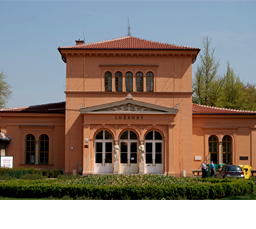 The Reduta Theatre where exhibits of flowers, fruit and vegetable were organized by Mendel´s Section of Pomiculture, Viniculture and Horticulture of the AgriCulture Association (Zelný trh).
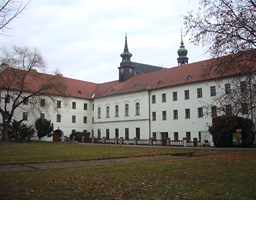 The former Cistercian Nunnary, since 1783 the seat of the Augustinian Order. Mendel lived there 1843-1884. The Basilica of the Assumption of the Virgin and the adjoining prelate quarters of Gregor Mendel 1868-1884 (Mendelovo náměstí 1).